The Veema Blog
Notes on growing older at home: the data, the people, and what we are learning as we build.
Health
Manage the pain, then replace the knee.
In a Medicare sample of 275,256 people with knee osteoarthritis, joint replacement took 51% of the spending, though only 12.9% had one. Physical therapy took 3.8%.
October 2026 · The Veema team
Health
"It's just my age."
In a Keele University survey, 53% of adults over 50 with severe knee pain or disability had not seen their GP about it in the past year. In interviews, people explained that the pain was part of getting older and that little could be done.
October 2026 · The Veema team
Families
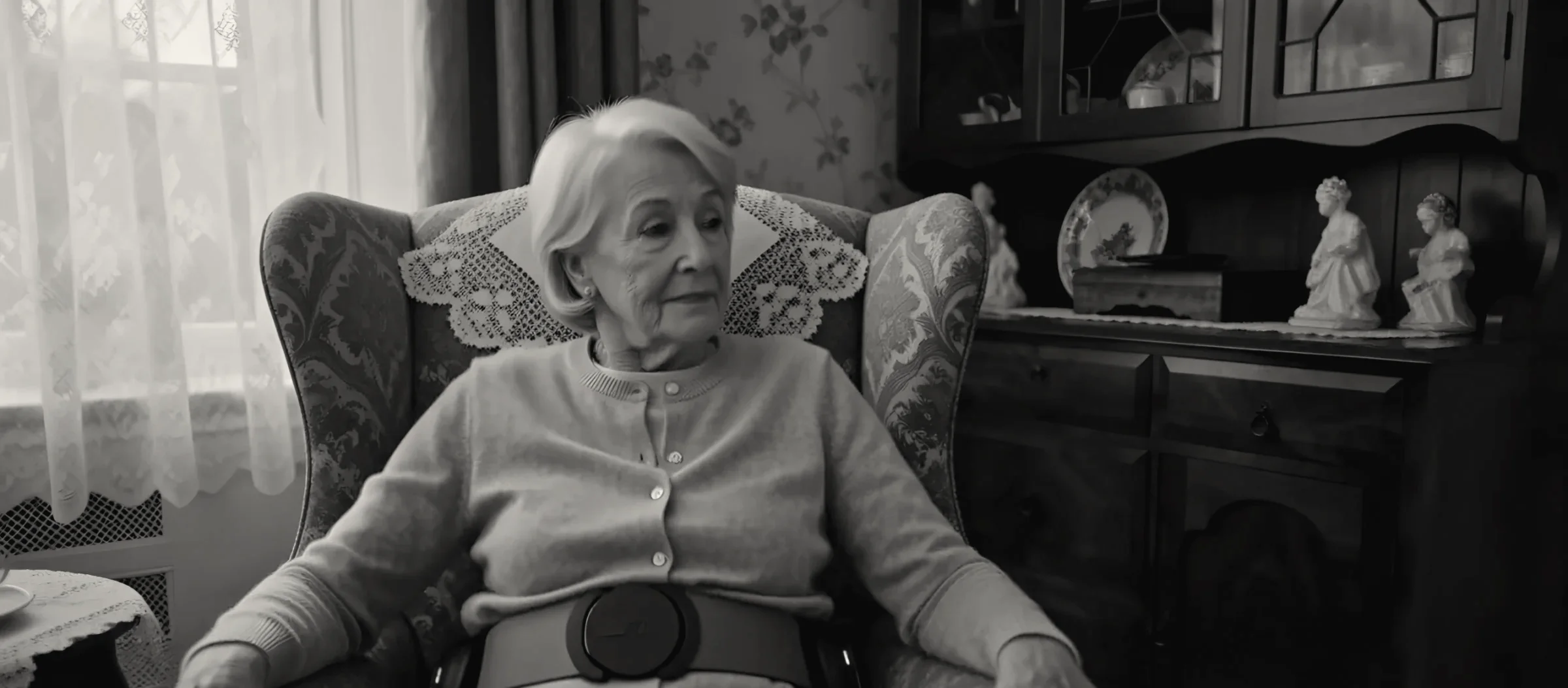
Fewer hands to help.
In 2010 there were more than seven Americans aged 45 to 64 for every American aged 80 and over. On projections made in 2013, there will be about four by 2030 and fewer than three by 2050.
October 2026 · The Veema team
Science
Out of the clinic.
In April 2024, Medicare set a rate of about $91,000 for a personal powered exoskeleton, classed as a brace. The trials in older adults that would show whether such machines belong at home are still small, short and supervised.
October 2026 · The Veema team
Families
Paid for at the end.
Medicare pays readily for the knee operation. For help at home in the years before it, the 2025 national median price of a caregiver was $35 an hour, and Medicare does not pay for that kind of care on its own.
October 2026 · The Veema team
Health
Knee pain, decade by decade.
In one large American study, about a third of people aged 45 to 54 said their knees hurt, ached or felt stiff on most days. At 75 and over, more than half did.
October 2026 · The Veema team
Science
What the X-ray does not show.
When researchers scanned the knees of 991 adults aged 50 to 90, 61% of those with a torn meniscus had felt no knee pain, aching or stiffness in the previous month. The picture and the pain are two different things.
October 2026 · The Veema team
Science
The muscle that guards the knee.
With age, leg strength drains away about three times faster than leg muscle itself. In the quadriceps, the muscle that cushions every step, weakness is linked to both knee pain and knee osteoarthritis.
October 2026 · The Veema team
Health
When the knee gives way.
In a study of 1,842 older adults with or at high risk of knee osteoarthritis, one in six said a knee had buckled. Those who had fallen during a buckling episode had 4.5 times the odds of repeated falls two years later.
October 2026 · The Veema team
Science
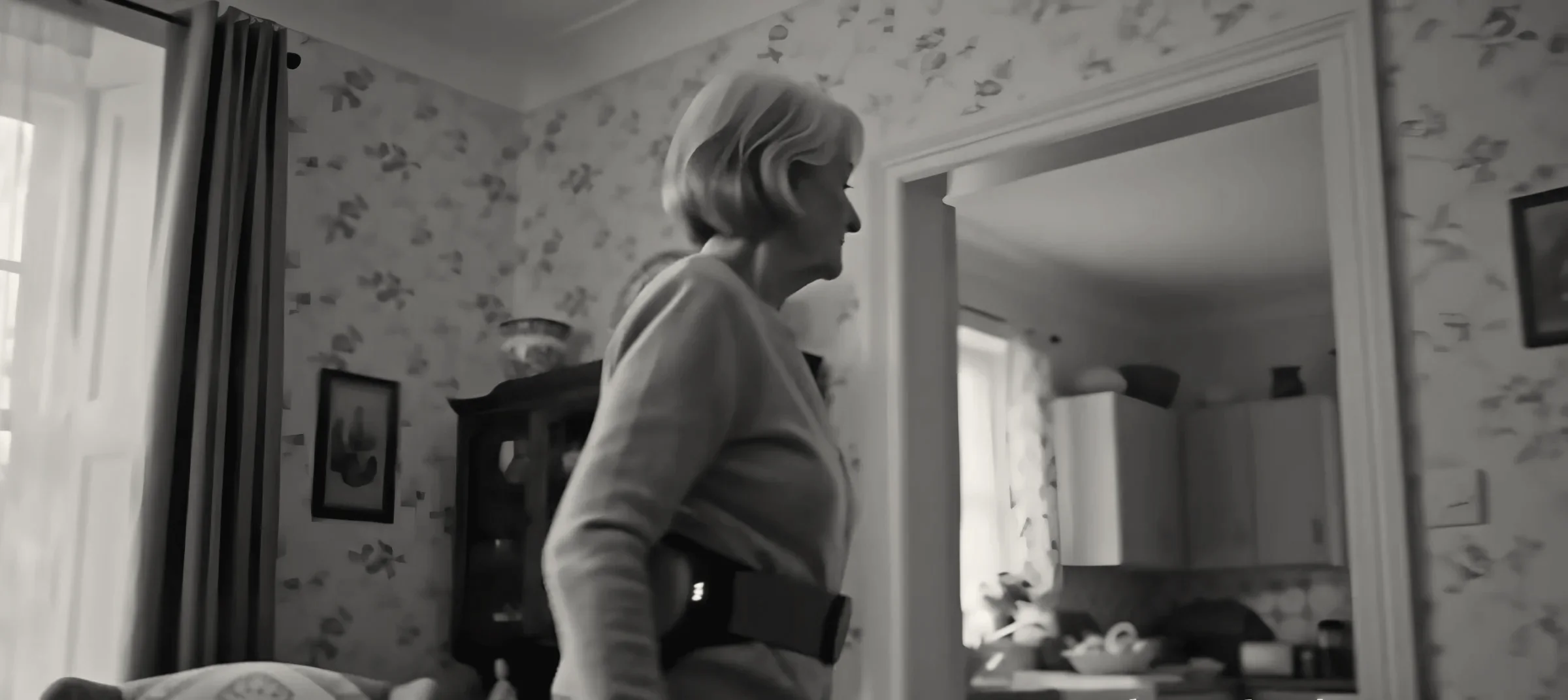
The forecast in your knees.
In a six-country European study, two in three older adults with osteoarthritis said the weather changes their pain. The best studies find the effect is small at most: in a UK smartphone study, damp, windy, low-pressure days made a more painful day around 20% more likely, enough to turn a 5 in 100 chance into 6 in 100.
October 2026 · The Veema team
Health
Thirteen years in the middle.
Knee osteoarthritis is one of the most common reasons older legs give out. For many people the hardest years come after non-surgical treatment stops being enough and before surgery, which does not work for everyone.
October 2026 · The Veema team
Families
The other patient.
More than half of family caregivers say they had no choice. What the role costs them, in hours, money and health, on both sides of the Atlantic.
October 2026 · The Veema team
Design
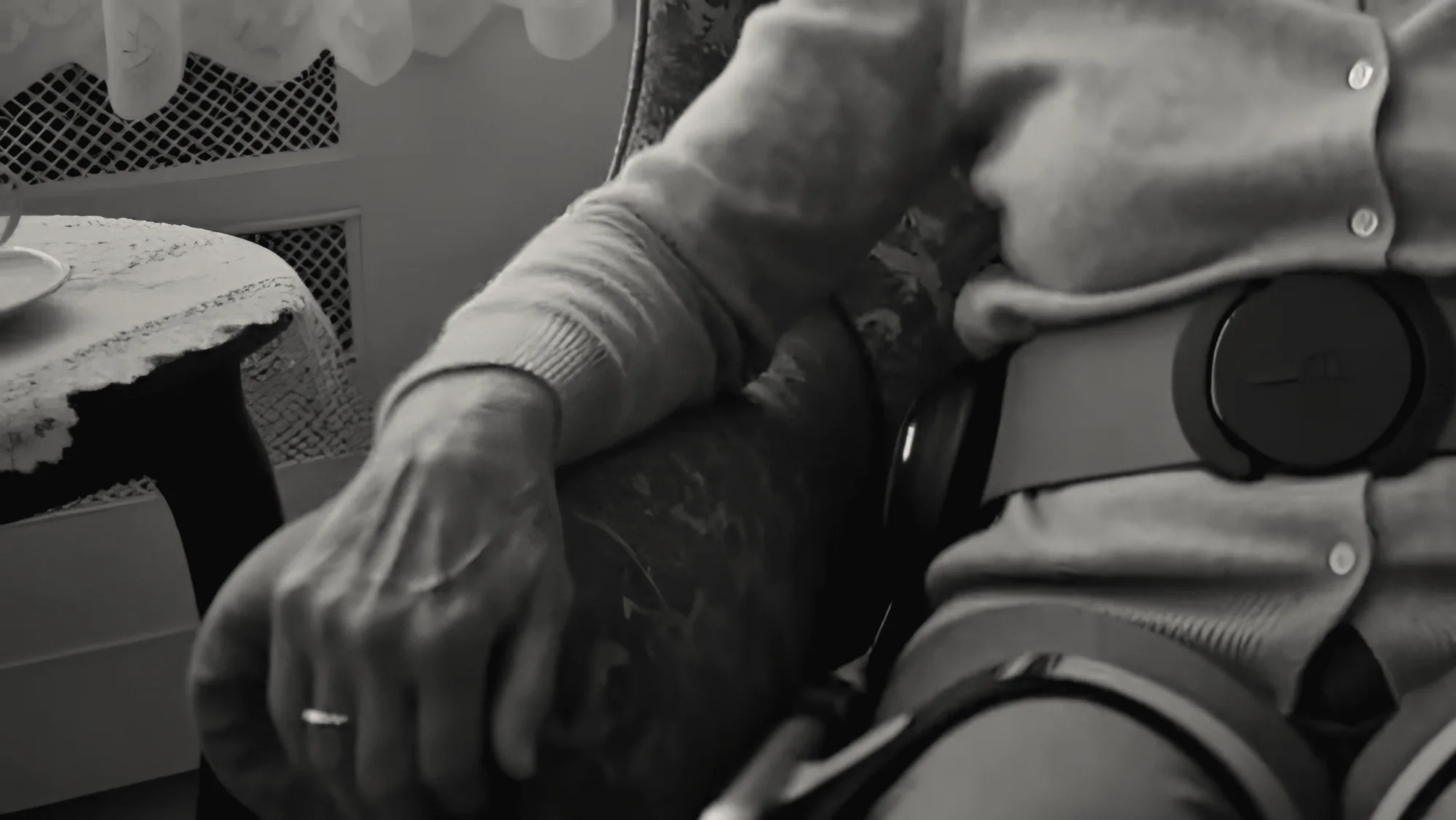
The pendant in the drawer.
In one study of people over 90, the alarm was there in almost every fall where someone was alone and could not get up. It was pressed in one in five. The reasons say more about design than about age.
October 2026 · The Veema team
Science
Why standing up gets so hard.
In one study, young adults stood up using about 42 percent of their leg strength. Healthy older adults used about 80 percent. That leaves little margin for a bad day or a low chair.
October 2026 · The Veema team
Europe and the US
The losses nobody sees.
Growing old is rarely one event. It is a run of small losses, and in Europe and the United States they are happening to tens of millions of people.
October 2026 · The Veema team
Data
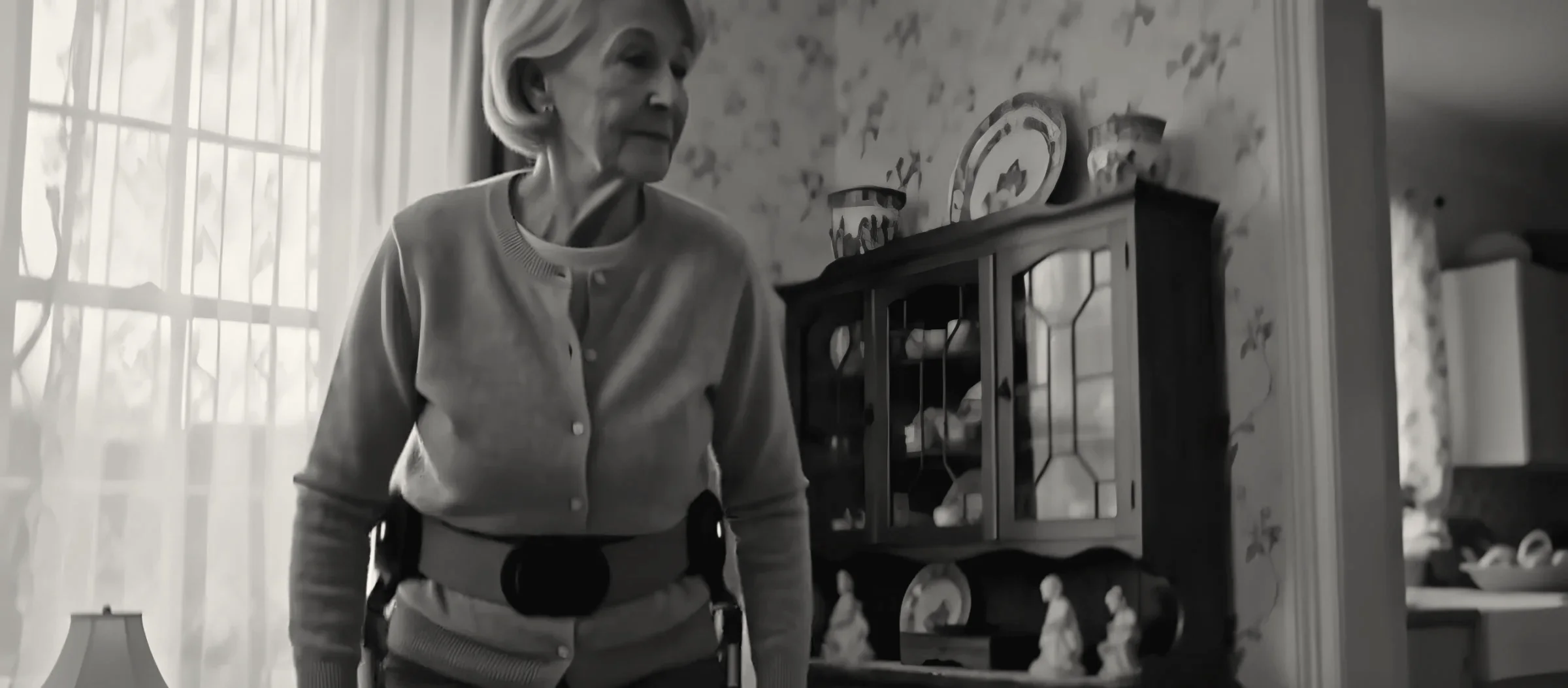
What makes growing older at home hard.
Most people want to grow old in their own home. What decides whether they can is rarely one big illness. It is a handful of everyday problems, and the evidence on each of them is clearer than most people think.
October 2026 · The Veema team
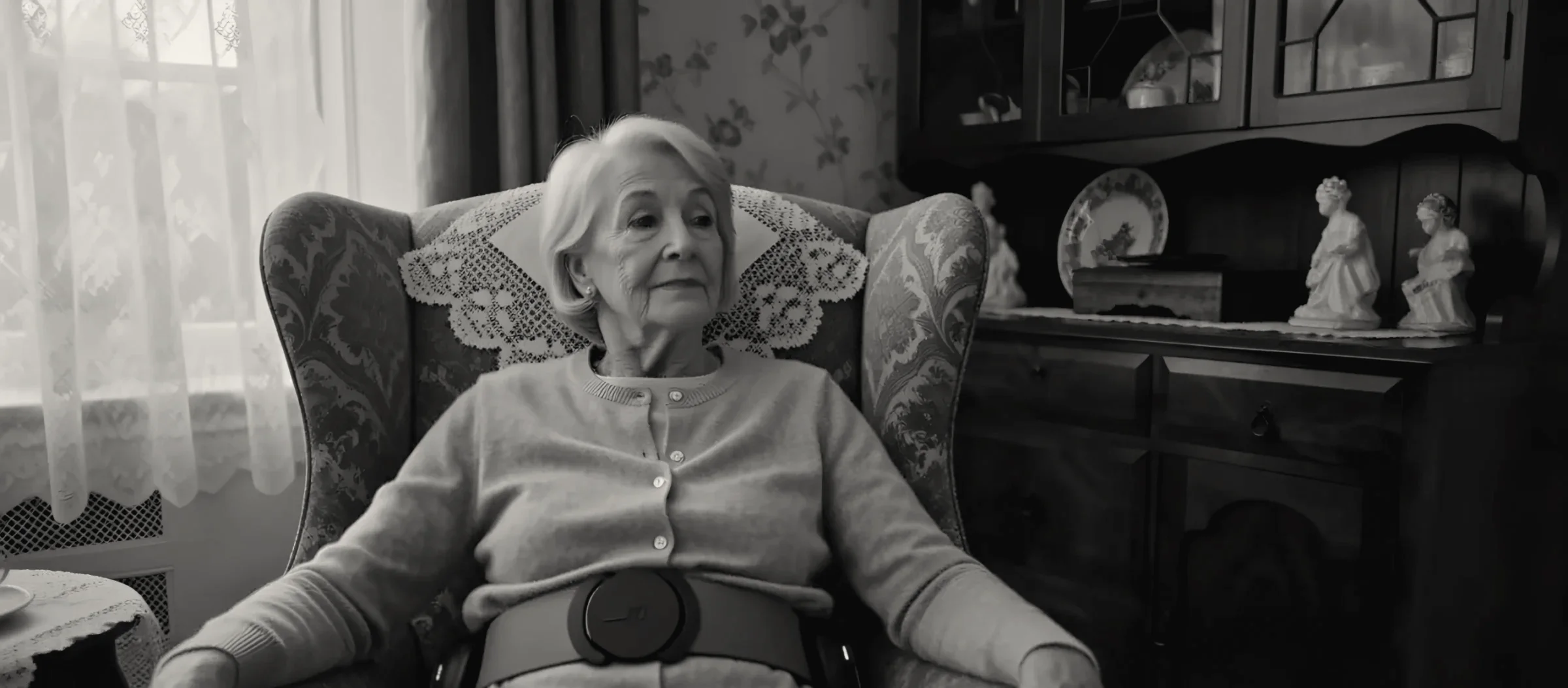
Thesis
The biggest market nobody is building for.
The world is getting older faster than it can be cared for, and almost none of our technology was made for the people it is happening to.
October 2026 · The Veema team