The biggest market nobody is building for.
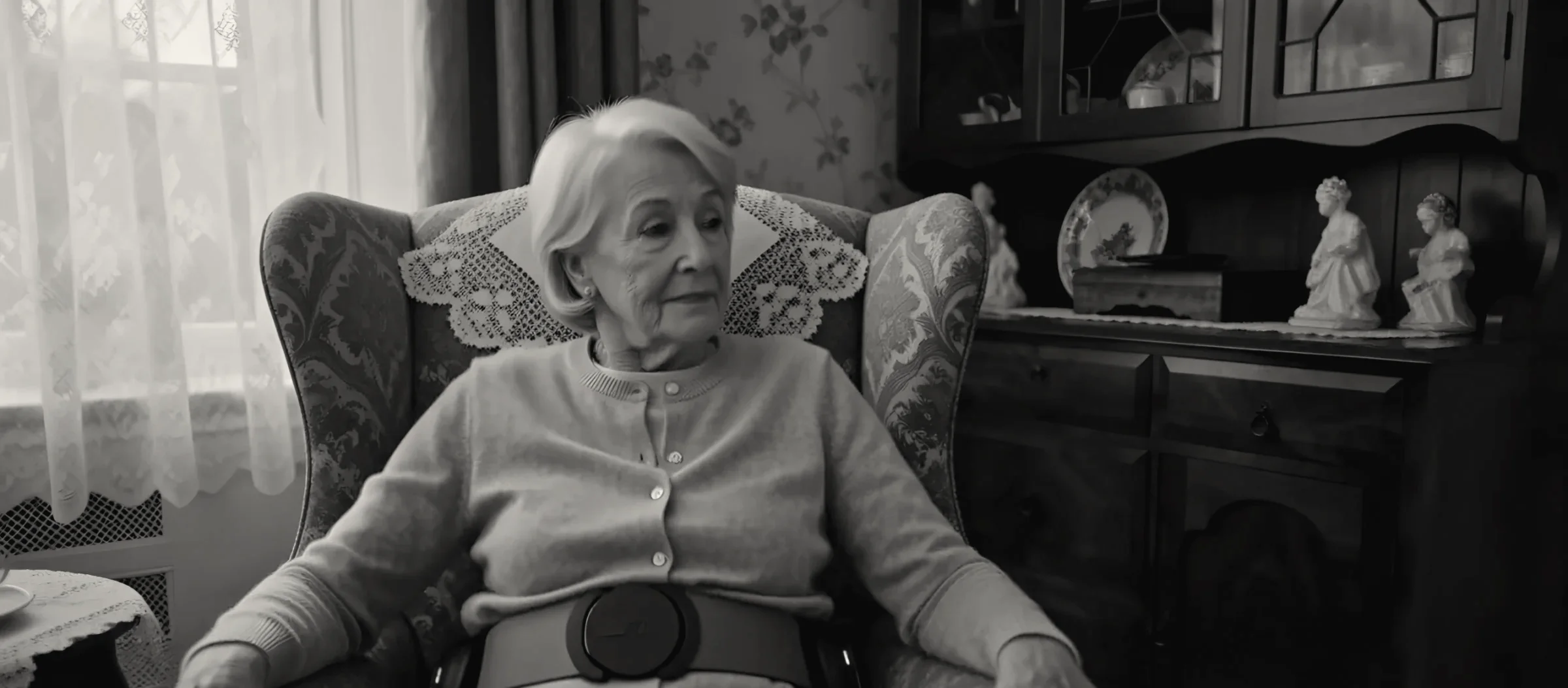
The world is getting older faster than it can be cared for, and almost none of our technology was made for the people it is happening to.
By 2030, one in six people on Earth will be 60 or older: 1.4 billion people.1 In the United States, 2030 is the year the last baby boomer turns 65 and one in five Americans is of retirement age.2 Europe is already past that point. Twenty-two percent of the EU is 65 or older, and in Italy and Portugal it is close to a quarter.3 This is not a forecast that might not happen. The people are already born.
The world is getting older
People aged 60 and over, worldwide
Source: World Health Organization, Ageing and health (2025).
What has not kept up is the care. The United States needs to fill an estimated 8.9 million direct-care job openings between 2022 and 2032,4 in a workforce that already cannot hire enough people at the wages the work pays. There are nowhere near enough people to take care of everyone.
So families do it. Sixty-three million Americans, one in four adults, are family caregivers, and about 51 million of them care for someone aged 50 or older.5 Most of the working-age ones also have a job.
Almost nothing is built for older people
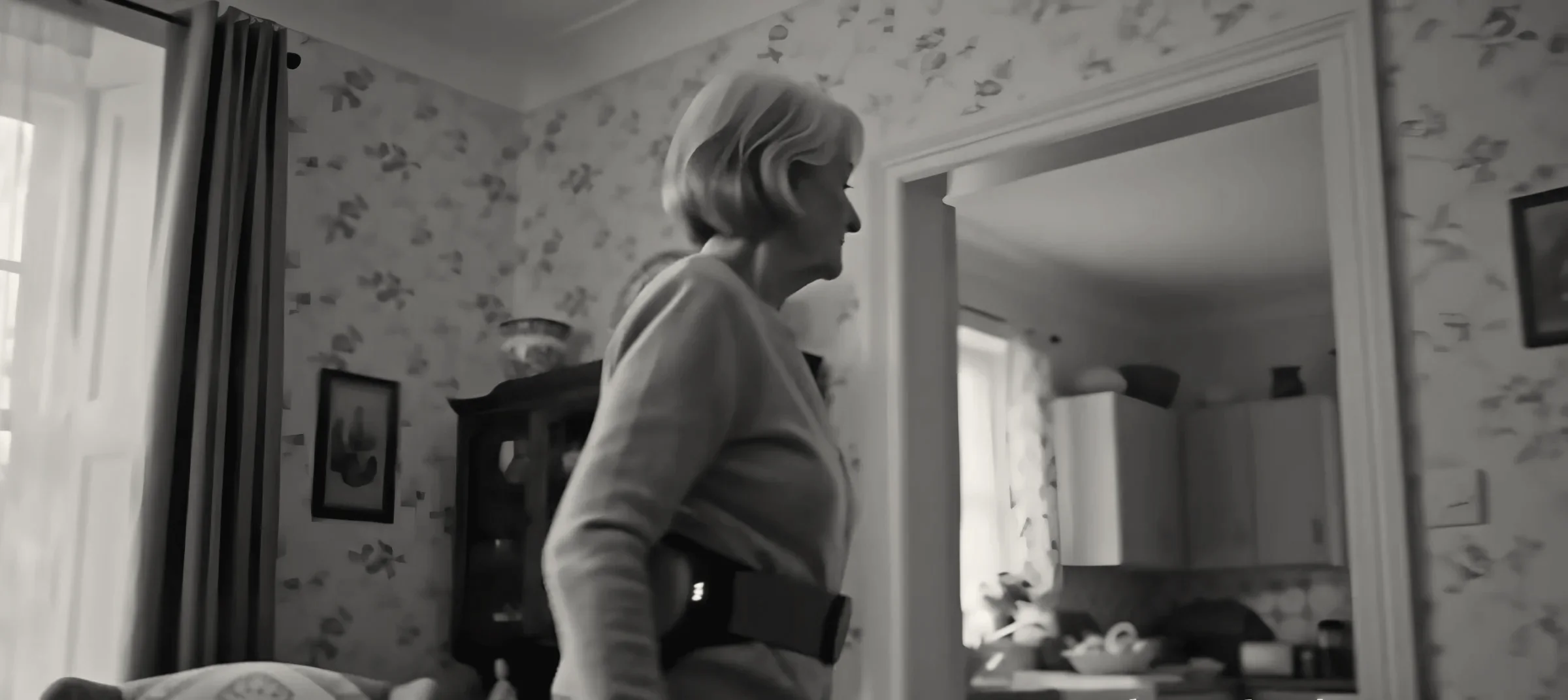
Walk through what an 80-year-old is offered today. Phones with small text and endless updates. Apps that assume a password manager. Pendants that sit in a drawer because wearing one feels like giving up. Even voice assistants, the simplest consumer technology ever made, frustrate many older people: they mishear older voices, they time out mid-sentence, and setting one up takes a smartphone and a younger relative.
The result is that the largest group of people who need help at home is the group with the fewest tools for it. Older people do not get technology built for them. They get the hand-me-down version of technology built for everyone else, with the font size turned up.
What AI makes possible
For the first time, a new class of products is within reach.
Voice that holds a real conversation. Not commands. A voice you can talk to the way you talk to a person, one that understands an older voice and a half-finished sentence.
Monitoring that keeps people independent. Knowing when someone has not got up, has fallen, or is not themselves today, without cameras in the bedroom and without a nurse on the sofa.
Robotics for the physical tasks. Standing up, walking, carrying, reaching: the movements that decide whether someone can stay in their own house.
Software that helps families coordinate. Appointments, medication, who is visiting on Thursday, what to do in an emergency, all in one place instead of a group chat.
Each of these was science fiction five years ago. Each of them is a product now, waiting for someone to build it with older people rather than for a demo.
Why we start with the body
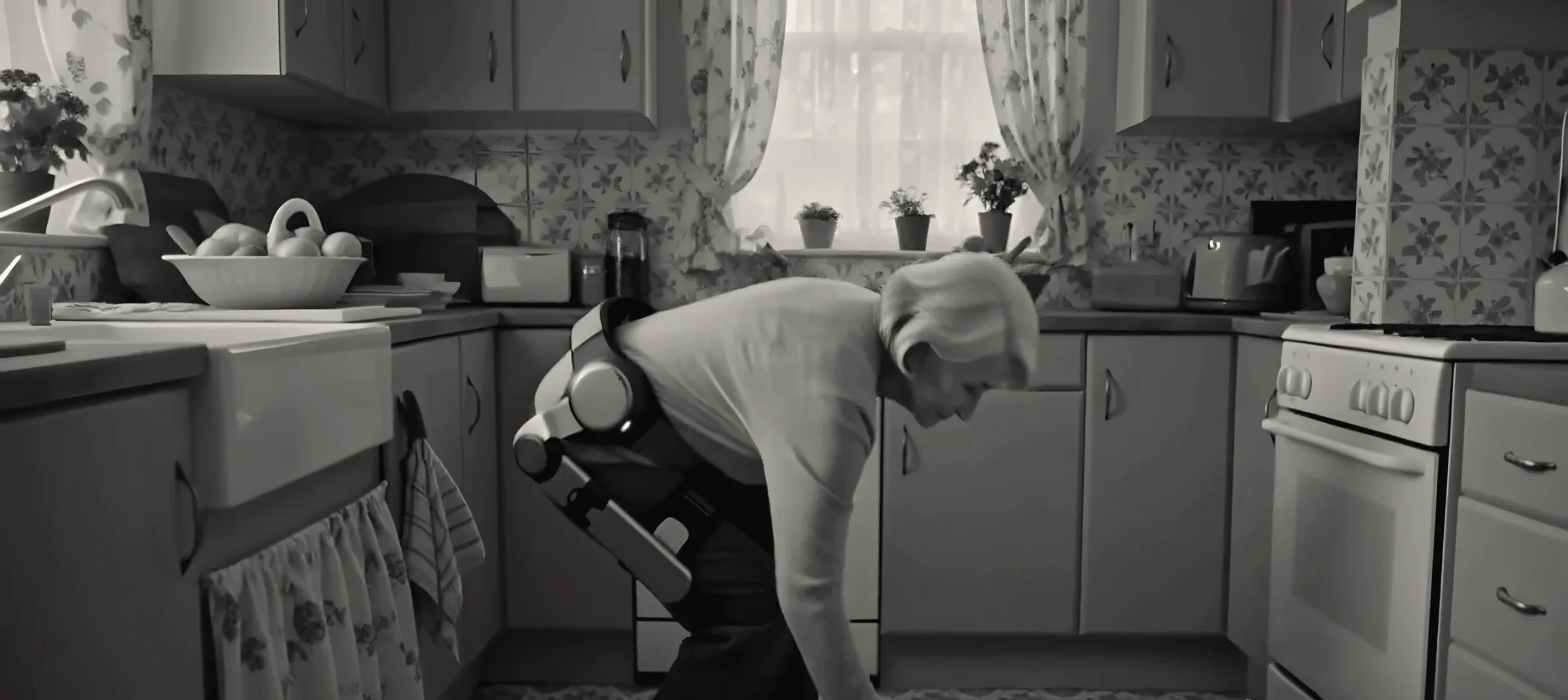
We started with mobility because mobility is the root problem. Whether someone can stand up from their own chair, walk to the kitchen and get back decides almost everything else about living at home. Once standing takes planning, the house starts to shrink: first the stairs go, then the garden, then the kitchen. (We went through what that looks like in numbers in What makes growing older at home hard.)
So our first product is a hip and knee exoskeleton that adds strength to the movements you begin, and a voice companion you clip to a cardigan. They are one product, not two. The companion is how you talk to the exo: no screens, no app, no menus. The exo is the reason the companion is worn all day, in every room, so that "call Maria" works from the hallway and the SOS button is always within reach.

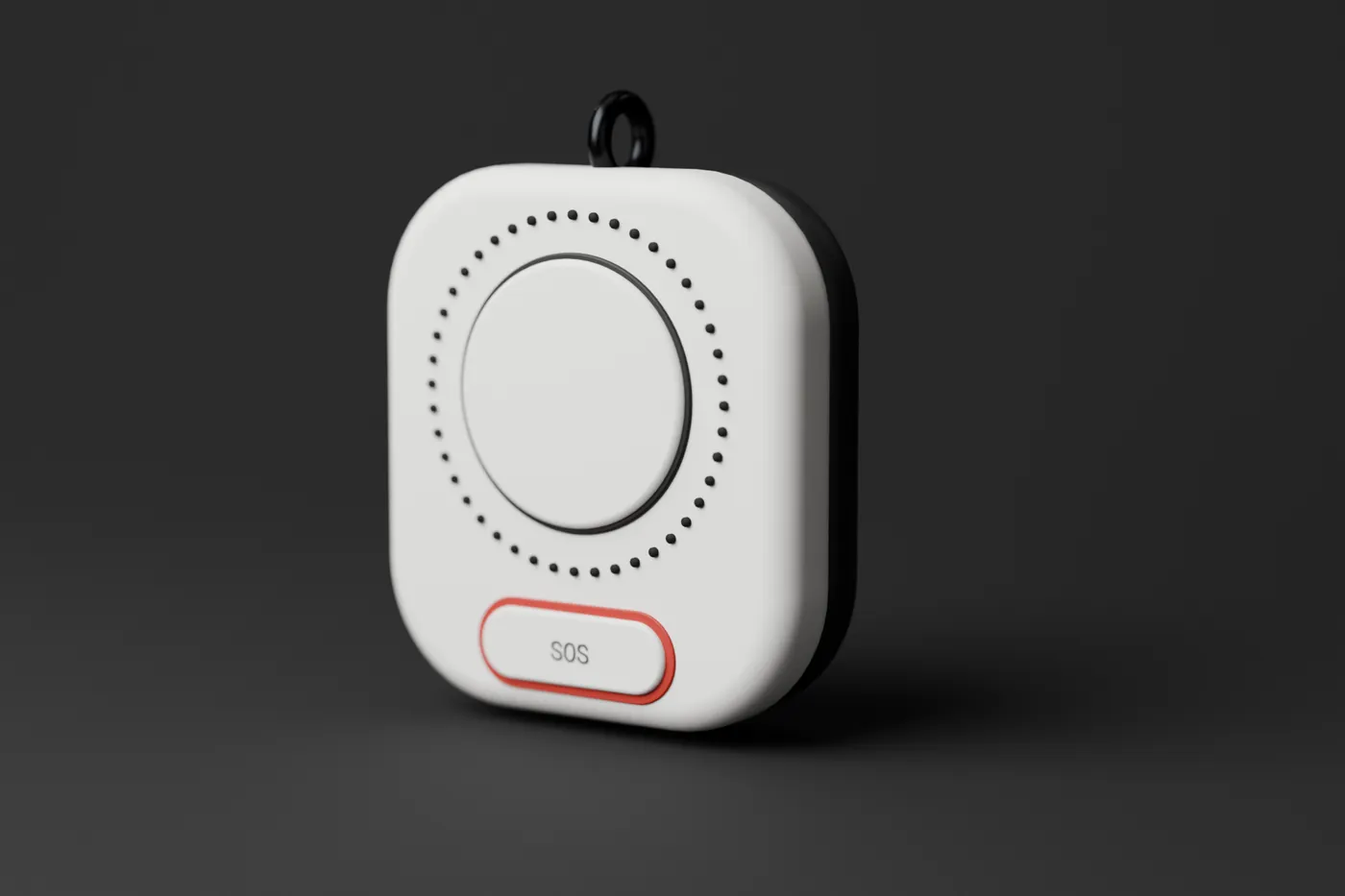
That is the beachhead, not the whole plan. Everything in the list above sits on the same platform: a device that is on the body all day and a voice that already knows the person. Monitoring, coordination with family, and more physical help follow from there.
Why us
Some of us watched it happen in our own families. The moment standing up started to take planning. The phone that was always in the other room. The help that existed was a walker, a pendant nobody wore, and a family group chat. We think that gap is one of the largest, most underserved markets in the world, and it grows every single day.
If you are building for the aging population, we would love to hear from you. And if you want to see what we have built, start here.
These figures describe the need. They are not results or claims about Veema.
Sources
- World Health Organization, Ageing and health fact sheet (October 2025): by 2030, 1 in 6 people in the world will be aged 60 or over; 1.4 billion people. 1 billion in 2020, 2.1 billion by 2050.
- US Census Bureau, population projections (2018): by 2030 all baby boomers will be older than 65 and 1 in every 5 residents will be of retirement age.
- Eurostat, Population structure and ageing (data as of 1 January 2025): 22.0% of the EU population is 65 or older; Italy 24.7%, Portugal 24.3%.
- PHI, Direct Care Workers in the United States: Key Facts (2024): an estimated 8.9 million total job openings in direct care from 2022 to 2032.
- AARP and the National Alliance for Caregiving, Caregiving in the US 2025: 63 million family caregivers, 1 in 4 adults (the 2025 survey includes paid family caregivers for the first time); 51 million care for someone aged 50 or older; seven in ten working-age (18 to 64) caregivers are in paid employment.